
This guide explains which cylindrical sublimation blanks may be suitable for a 30oz mug heat mat measuring 270 x 235mm, and what to check before pressing customer orders.
Most larger cylindrical items need to be rotated during the sublimation process so the print receives even heat and pressure across the full design area.
A 30oz mug heat mat can fit a range of larger cylindrical sublimation blanks, but fit is not determined by ounce size alone. The item’s diameter, height, taper, handle shape, printable area and pressure contact all matter.
Some blanks may physically fit inside other branded mug presses or heat mats, but that does not automatically mean they are supported or recommended for this specific mat.
Products listed in the compatible products section have been measured and tested for this heat mat range. Always test a new blank before committing to production.
Some items may be usable in other branded heat presses or heat mats, but Print Geek does not recommend or support returns based on products being used outside their tested compatibility. Always check fit, pressure and coverage before production.
The blank needs enough contact pressure across the print area without being too loose or too tight inside the heat mat.
The mat needs to cover enough of the printable area. Taller items may need rotation or multiple press positions.
Conical or tapered blanks may need special positioning because the top and bottom diameters are not the same.
Before you press a saleable product, use a test blank or a sample item and check the fit carefully. A blank that is too loose, too tight or unevenly shaped may not produce reliable sublimation results.
Larger cylindrical blanks often have a printable area wider than the heat mat’s ideal contact zone. Rotating the item part way through the press cycle helps apply heat and pressure to more of the design area.
Rotation should be controlled and repeatable. Mark your seam or starting point, protect the transfer from movement and keep notes of the time, temperature and rotation method that worked.
| Check | Why it matters | Print Geek tip |
|---|---|---|
| Transfer alignment | Larger wraps can shift when loading into the press. | Use heat tape carefully and mark your seam/start point before pressing. |
| Pressure | Too much pressure can mark, distort or make rotation harder. Too little pressure can cause faded areas. | Use firm, even contact without forcing the press closed. |
| Rotation | Large items may not receive even coverage in one position. | Rotate halfway through if required and keep the transfer secure while moving the item. |
| Taper | Tapered blanks can create uneven contact at the top or bottom. | Check pressure on both ends and test before customer orders. |
| Test blanks | Every blank, coating and press can behave slightly differently. | Do a test press and record the working settings for repeat jobs. |
Treat press settings as starting points, not universal rules. Blank coating, transfer paper, artwork coverage, press pressure and room conditions can all affect the final result.
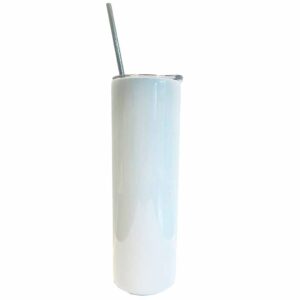
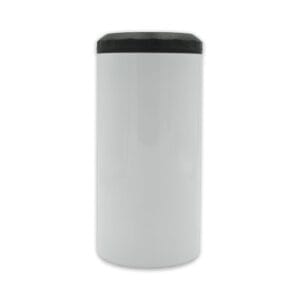
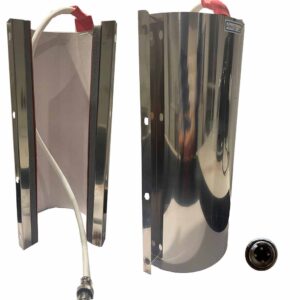
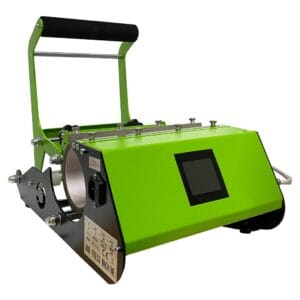
The products below are grouped for the 30oz mug heat mat measuring 270 x 235mm. These items have been measured or matched for this heat mat size, but you should still test fit, pressure and rotation before producing customer orders.
Browse the compatible products assigned to this heat mat size. Product availability, pricing and stock status are controlled by WooCommerce.
These guides can help customers set up artwork and print pages correctly before pressing drinkware and other sublimation blanks.
This guide refers to a 30oz mug heat mat measuring approximately 270 x 235mm.
Not necessarily. Product names such as 30oz are not enough to guarantee fit. Diameter, height, taper and printable area all need to be checked.
Many larger cylindrical blanks need rotation halfway through the sublimation process to help achieve even heat and pressure coverage.
You can test other products, but Print Geek cannot guarantee compatibility for untested blanks or support returns based on products being used outside their recommended setup.
Test the blank, confirm the fit, check pressure, confirm rotation method if needed and record the settings that worked before producing customer orders.
Check fit, pressure and printable coverage before production. Then use tested compatible products wherever possible for more reliable sublimation results.